
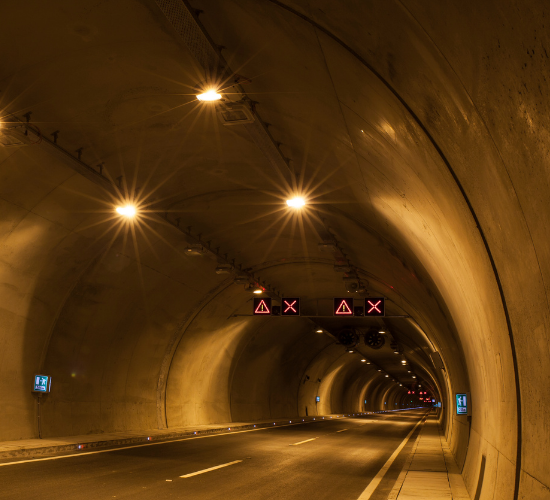
Tunnelling and underground infrastructure projects involve complex construction activities delivered in dense urban and geotechnical environments. These projects require coordinated engineering, electrical, signalling, and communication systems to support safe, high-capacity transport and road networks.
Experience across major metro rail and road tunnel developments in Australia demonstrates the delivery of technically robust solutions that meet strict safety, regulatory, and operational requirements throughout planning, construction, and commissioning stages.
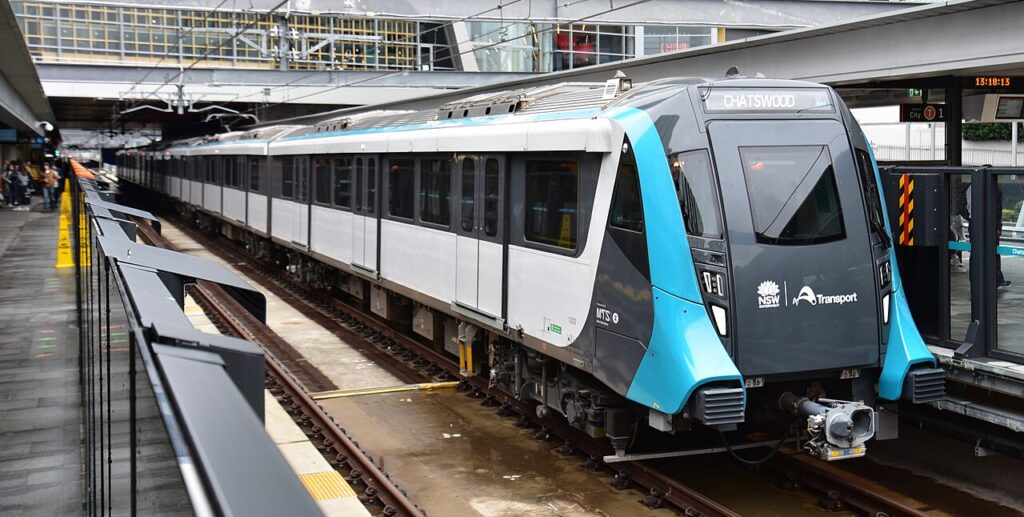
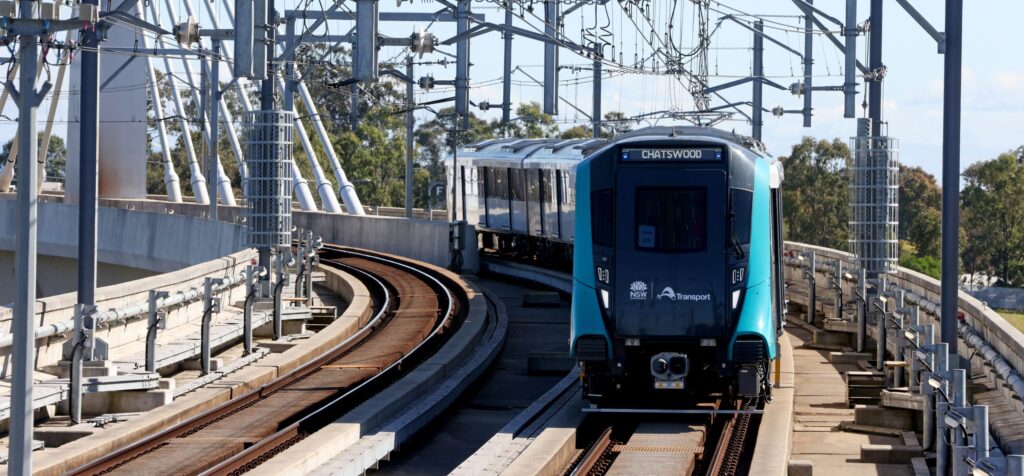
Part of the Sydney Metro Northwest program, this project involved the construction of twin rail tunnels and the upgrade of the Epping–Chatswood corridor to metro standards. The scope included tunnelling works along with electrical, signalling, and communication systems to support automated metro operations.
The project contributed to the successful transformation of an existing rail corridor into a modern metro system, improving network capacity, safety, and operational efficiency. The delivery of integrated tunnel and system works supported reliable, high-frequency metro services in a dense urban environment.
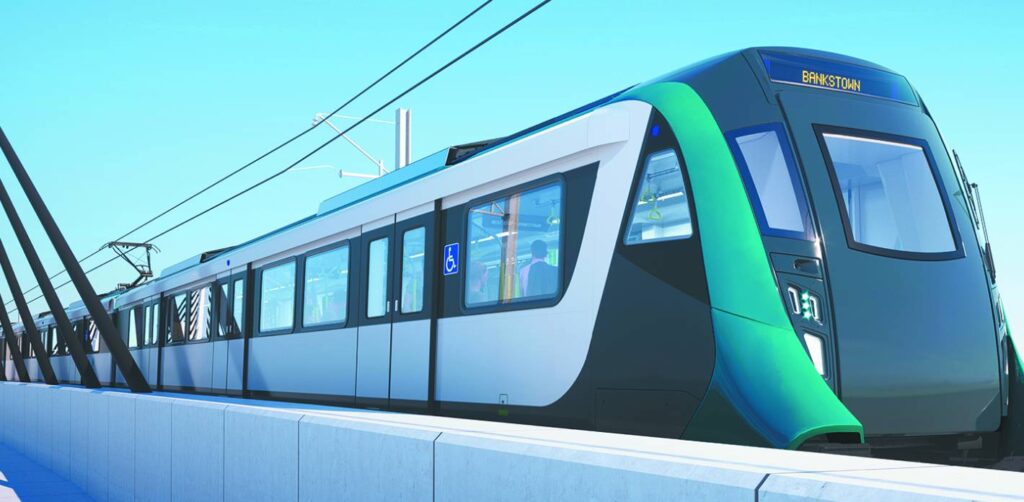
This major underground rail project involved constructing 15.5 km of twin metro tunnels and multiple underground stations from Chatswood through Sydney CBD to Bankstown. The works support driverless metro operations and significantly increase network capacity.
The project supported the delivery of a critical underground transport corridor through Sydney’s CBD, enabling driverless metro operations and long-term network expansion. The works contributed to improved connectivity, capacity, and resilience across the metropolitan rail system.
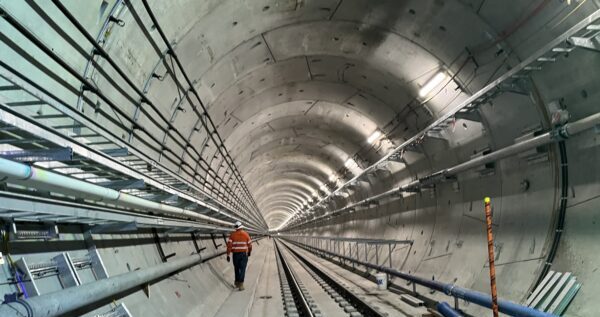
As part of Brisbane’s Cross River Rail program, this project includes 5.9 km of twin underground rail tunnels beneath the Brisbane River and CBD. The tunnel systems support high-capacity metro operations through advanced electrical, signalling, and communications infrastructure.
The tunnel works formed a key component of Brisbane’s largest rail infrastructure program, supporting high-capacity metro operations beneath the CBD. The project enhanced network reliability and provided long-term transport capacity for a growing city.
A major road infrastructure development in Melbourne, the West Gate Tunnel Project includes 9 km of new tunnels and elevated roadways designed to improve freight access and reduce congestion across the city’s west.
The project supported the delivery of a major road tunnel network designed to reduce congestion and improve freight movement across Melbourne’s west. The works contributed to safer, more efficient transport links and long-term network performance.
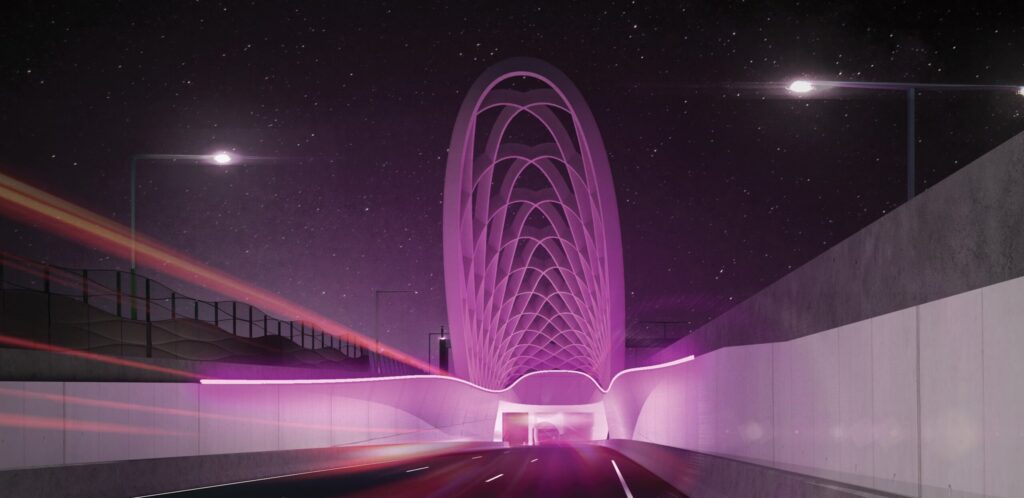
This significant rail infrastructure project involves the construction of 9 km of twin underground rail tunnels and five new underground stations, improving network capacity, reliability, and commuter movement across Melbourne.
The tunnel and underground station works strengthened Melbourne’s rail network by increasing capacity and reliability through the city centre. The project plays a vital role in supporting future growth and improving commuter movement across the network.
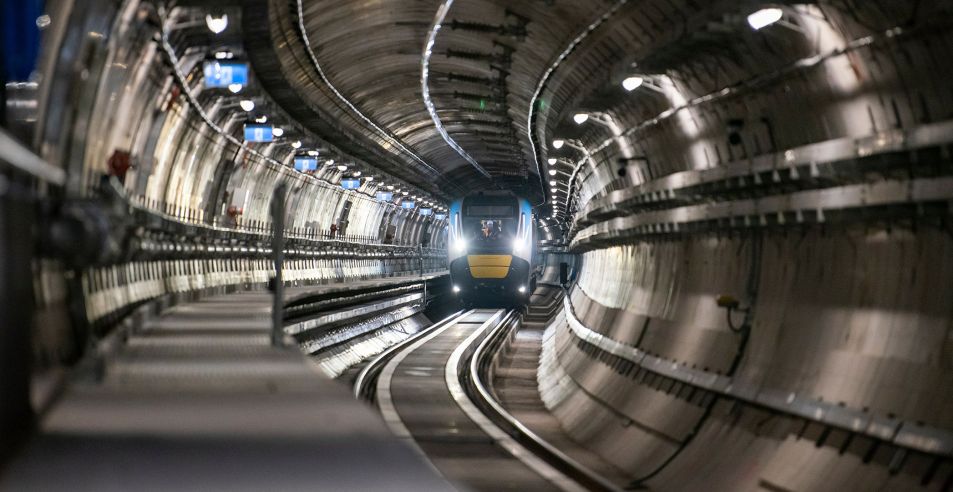
The Parklife Metro Project includes 9 km of twin underground rail tunnels as part of a major metropolitan metro expansion program, supporting future high-capacity and high-frequency rail services.
The project contributed to the development of a high-capacity underground metro corridor, supporting future-focused urban transport infrastructure. The tunnel works enable efficient, reliable metro services aligned with long-term metropolitan planning objectives.
AIMS provides integrated engineering and infrastructure services across construction, transport, energy, water, and industrial sectors, delivering practical solutions from concept to commissioning.